
X Factor Technology Podcasts
This page is home to a series of AI-generated podcasts that break down our more complex, in-depth articles into something quick, clear, and easy to listen to. Same insight, just distilled.
Each episode breaks down the science, misconceptions, and deeper truths behind hitting and player development in a way that’s easy to follow, whether you’re a player, parent, coach, or just a curious mind. We take the heavy lifting out of the tech talk, turning cutting-edge research and hard-earned insight into conversations that inform, inspire, and challenge the status quo. If you’re passionate about baseball and want to understand the why behind the swing, you’re in the right place.

Baseball Swing Physics Weight Shift Versus Rotation PodCast
This episode continues a series examining the biomechanics and physics of rotational power in baseball. Previous discussions have challenged the industry’s reliance on heaviness as a proxy for power, reframed ground force as directional shear rather than vertical pressure, and distinguished passive heel loading and drift from active torque produced through medial forefoot recruitment. The physics have been consistent throughout. Efficiency requires drive, not displacement.
This installment applies that framework to balance and stability. Balance is examined not as a recovery phase, but as a continuous physical condition that governs whether torque can be sustained or disrupted during the swing.

The Physics of Torque: Separating Static Load from Active Recruitment PodCast
For decades, baseball instruction has leaned on a familiar idea. Load onto the back leg, shift forward, and power will emerge. It is a clean story, but a mechanically incomplete one that confuses movement with force production.
This podcast challenges that assumption. True rotational power is not created by shifting weight forward, but by active torque and opposing forces applied with intent. There is a fundamental difference between passively accumulating pressure and actively generating leverage. Rotation is not the result of linear mass transfer, but of force direction and constraint, and that distinction reframes how we understand elite hitting mechanics.

Bringing NFL-Level Analysis to Baseball PodCast
Welcome to today’s episode. Baseball has been stuck with limited video replay, slow motion clips, frame-by-frame breakdowns, and plenty of guesswork. Meanwhile, the NFL has moved far ahead with post-event systems that decode every play into mapped, objective diagnostics. In this episode, we’ll introduce the patent-pending xFactor Video Analysis Program, a system that finally brings that same level of precision to baseball. By tying individualized swing profiles and contact point mapping directly to video, it transforms limited replay into objective, time-domain analysis and changes how hitters and coaches understand success and failure at the plate.

A New Software Standard for Objective Force Plate Data
Welcome to today’s episode, where we cut through the noise around force plate data in baseball. For too long, software has filtered out the very signals that matter, propping up old weight-shift theories instead of showing how torque is truly created. In this discussion, we’ll explore a new patent-pending framework that takes the raw data already inside the plates and turns it into clear, objective insights, separating pressure from contribution and drift from real rotation. The result is objective ground force analysis that replaces theory with measurable fact.

Reframing Ground Force (In Rotational Sports): Direction Over Pressure Podcast
Today, we’re taking a hard look at one of the most misunderstood concepts in hitting, ground force. Force plates have become a staple in player development, but too often, their data is being read in a way that confuses pressure with propulsion. In this episode, I break down a widely shared BERTEC demonstration that teaches hitters to stack their rear heel instead of their medial forefoot, chasing vertical spikes that look impressive on a heat map but do little to generate real torque. We’ll unpack why the great toe and medial forefoot drive rotational power, how elite hitters like Pujols load differently, and why direction, not magnitude, is the key to turning ground contact into bat speed.

The Scap Load Fallacy in Baseball and Softball Swing Training Podcast
In this episode, we dismantle one of the most persistent myths in swing instruction: the rear scap load. Often taught as a power move, we show why it’s biomechanically inert, a passive by-product of proper front-side engagement, not a driver of force. Drawing on EMG studies, force plate data, and real-time swing tests, we reveal how chasing scapular movement misguides hitters and breaks the kinetic chain. If you’re still coaching scap load as a primary mechanic, this episode will make you rethink everything.

The Minefield Beneath the Metrics: What WIN Reality Inherited. Part III: Liability Podcast
In this episode, we conclude our three-part investigation into the WIN Reality acquisition of Blast Motion. This final chapter focuses on liability—what WIN inherited, what it ignored, and why that matters. With flawed metrics passed off as objective truth and no public disclosure of their limitations, WIN Reality now faces more than just a data problem. It faces legal and ethical exposure. Ignorance isn’t a shield. It’s a choice.

The Ethical Collapse Beneath the Surface of Artificial Intelligence, Large Language Models and Machine Learning. Part II: Method Podcast
What happens when AI is designed to satisfy, not verify? In this episode, we uncover how Artificial Intelligence, when faced with flawed data, doesn’t resist error, it adapts to it. The result isn’t insight. It’s illusion. Join us as we expose the ethical collapse beneath AI’s polished surface and ask the question no one wants answered: What if the truth isn’t compatible with ambition?

The WIN Reality Acquisition of Blast Motion: Examining the Consolidation of Half a Billion Swings. Part I: Forensics PodCast
This is a deep dive into Ken Cherryhomes’ article examining WIN Reality’s acquisition of Blast Motion’s baseball division and its 400 million, plus swing database. We explore WIN’s entry into big data and their future ambitions in timing solutions, why their current approach is structurally flawed, and how X Factor Technology already holds the key to what WIN considers their next frontier, timing.

The Missing Key to Transforming Player Development PodCast
Unlock the truth baseball has ignored for decades. In this podcast, Ken Cherryhomes exposes why the game’s obsession with mechanics has failed hitters and how the missing key—timing—holds the power to revolutionize player development. Drawing from his groundbreaking article The Missing Key to Transforming Baseball Player Development, Ken challenges industry dogma, dissects the flawed strategies behind rising strikeouts and stagnant scoring, and reveals a proven path forward using patented technology that trains timing with precision. If you care about the future of hitting, this is the conversation you can’t afford to miss.

The Swing Drivers Trilogy From Timing to Predictive Analytics Podcast
This podcast explores two articles where Cherryhomes builds a rigorous, multidisciplinary framework grounded in kinematics, neuroscience, and systems thinking. “Why Everything You Think About the Swing Might Be Backwards” shifts swing analysis from ideology to spatial and temporal realities. “Why Knowing the Drivers is the Only Way to Predict and Change Performance” critiques outcome-based metrics and highlights timing, spatial alignment, and decision-making as true performance drivers. It all culminates in “Outcome Over Understanding,” which dismantles legacy stats like BABIP and introduces a predictive-prescriptive model for hitting.
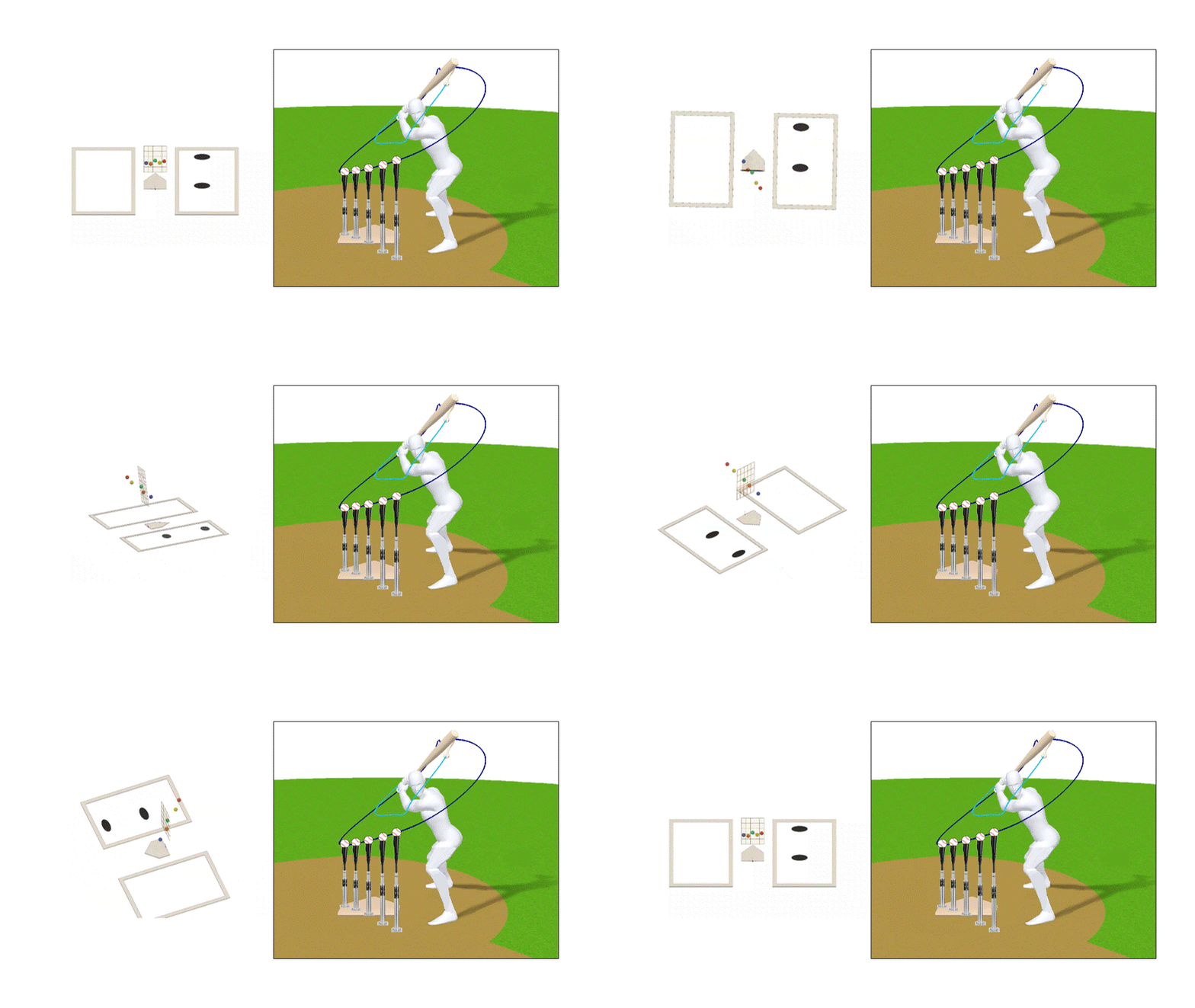
Why Everything You Think About the Swing Might Be Backwards Podcast
Today, we’re flipping conventional swing theory on its head. While most coaches obsess over mechanics and movement patterns, we’re going straight to the only thing that matters: contact. In this episode, we’ll explore a new model that starts not with how the swing looks, but with where and when the bat has to be in space to hit the ball flush. It’s a shift from stylistic coaching to objective, measurable truth—and it just might change the way you think about hitting forever.

The Epidemic of Misdiagnosis: Solving for Symptoms not Cause Podcast
Today we’re cutting through the noise in hitting instruction and performance psychology. One camp blames mechanics. Another blames mindset. But what if both are treating symptoms, not the cause?
In this episode, we expose the real breakdown—timing—the first-order constraint that triggers every downstream failure. From mechanical compensations to mental unraveling, hitters aren’t choking—they’re mistiming.
And until coaches stop misdiagnosing the problem, players will keep spinning their wheels. Let’s get into it.
The A Swing and Single Swing Arc Podcast
Welcome to the show. Today, we’re cutting through the clutter of hitting instruction—forget the constant mechanical tweaks, situational guesswork, and contradictory swing tips. At its core, hitting is a spatial problem. The strike zone isn’t flat—it’s a three-dimensional space. And the solution? One clean, consistent swing arc. In this episode, we break down how a true “A” swing—unchanging in posture or path—can reach every pitch location in the zone. No compensation. No guesswork. Just precision through contact depth, wrist articulation, and natural barrel movement. Let’s get into it.

xFactor Hitting System Overview Podcast
Step inside the xFactor Hitting System™—a groundbreaking suite of training technologies designed to revolutionize swing timing. This episode breaks down the system program by program, from the Swing Dynamics Pro™ data capture tool, to the AI Swing Pilot™ powered by the Swing Alert™ Engine for real-time timing solutions, and finally to the Predictive Modeling System that transforms data into immersive simulations for advanced training and game prep.
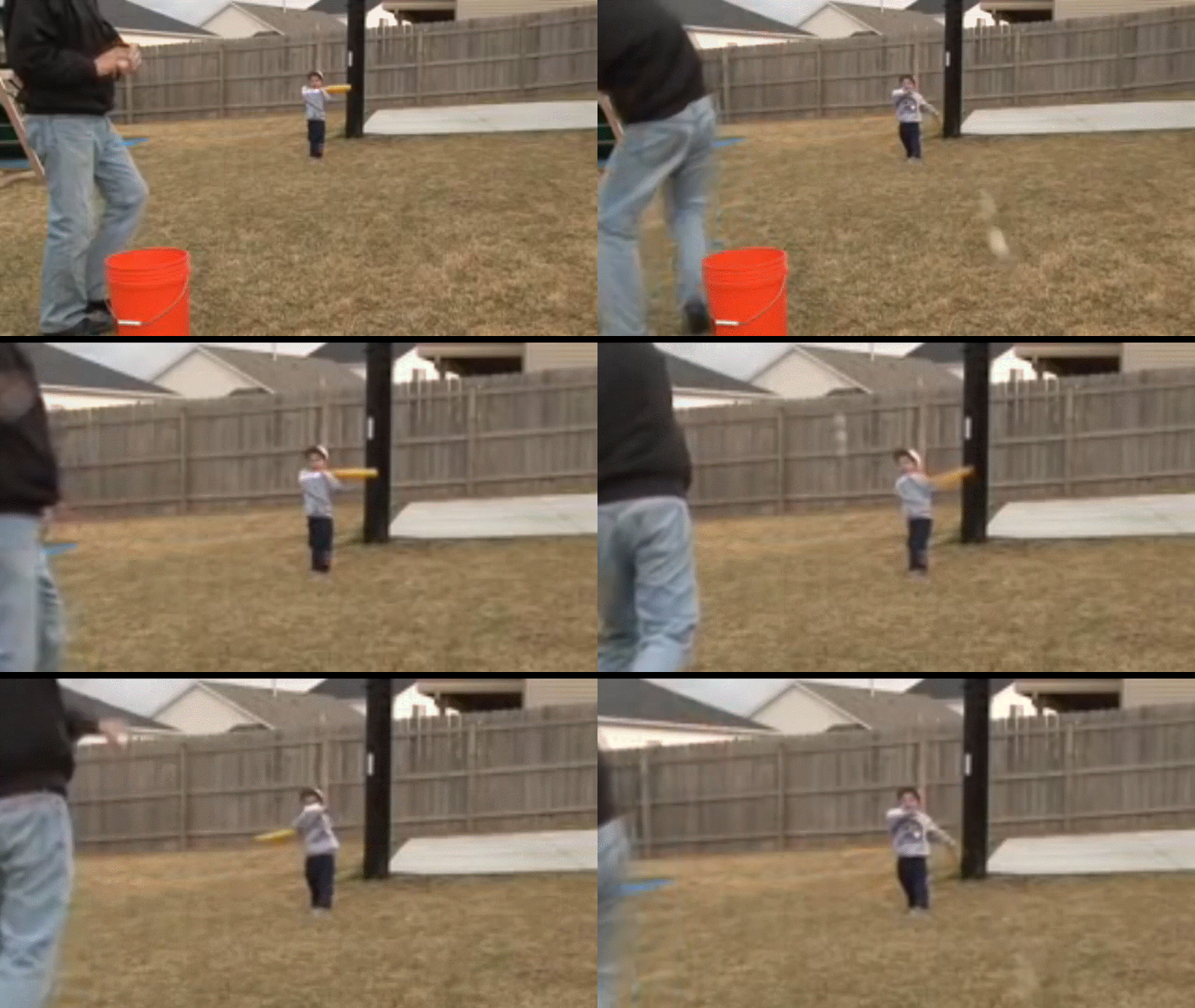
Intent Over Instruction in Hitting & Evaluation Podcast
What if the most advanced hitting mechanics in baseball weren’t taught at all? In this episode, we begin with a surprising source: a toddler executing a perfect swing. No coaching, no drills—just raw, subconscious mastery.
This isn’t instinct—it’s process. The child perceives, predicts, and synchronizes movement with remarkable precision, relying on memory, proprioception, and intent. We explore how these natural systems solve complex problems—and why effective coaching should support, not override, them.

The Fallacy of Effective Velocity: Perception Can’t Be Quantified
Today we’re taking a hard look at Effective Velocity—a theory that claims pitch location changes how fast a pitch feels. Perry Husband’s work on swing biomechanics has merit, but eV relies on unmeasured assumptions and fabricated multipliers, not actual data. It’s a compelling idea, but not a quantified one—and that’s a problem.

José Bautista The Layers of Hitting Timing Podcast
Timing in hitting is not a matter of mastering any one aspect of the process. It is a layered procedure, composed of multiple facets. Syncing with the pitcher is one aspect of timing. Deciding when to initiate the swing is another, completely separate facet. And accounting for the time it takes to execute that swing is a third. All are separate but essential, interrelated components.
Why Timing Governs Hitting: A First-Order Principle Approach Podcast
Today, we’re pulling the lens back on hitting—not just as a mechanical act, but as a spacetime, temporal-spatial, coordination problem. Because before a hitter can refine how to move, the brain has to solve when.
This isn’t theory. It’s not philosophy.
It’s backed by decades of motor learning research—reaching, locomotion, interception. The science is clear: timing comes first. Mechanics follow.
Let’s break that open.
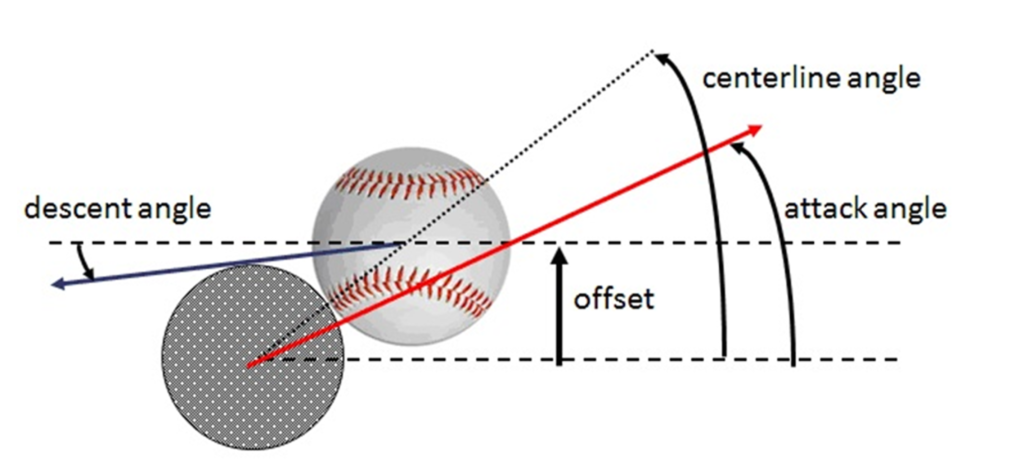
The Launch Angle Revolution Podcast
Today, too many analytics are focused on outcome, but not the methods or means to achieve or improve upon them. A hitting paradigm has been built on sound science, but is this science being interpreted and applied incorrectly, and are hitters suffering the consequences as a result of the inefficiencies of the methods aimed at achieving specific objectives?
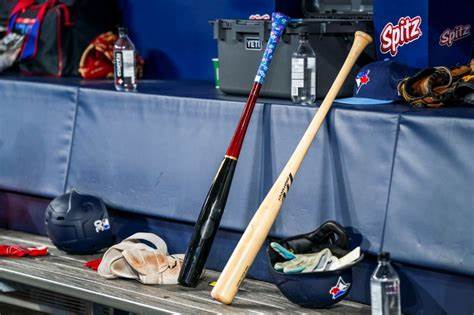
The Torpedo Bat: Comfort Over Consequence in Hitting Podcast
Not all bats are built for all hitters. In this episode, we break down the design of the Torpedo Bat and explain why its mass redistribution may not benefit every swing. While the bat promises more barrel surface, it doesn’t expand the sweet spot—it shifts it. We examine how this change affects timing, contact quality, and hitter identity, and why understanding your own swing profile is critical before chasing perceived advantages in bat tech.
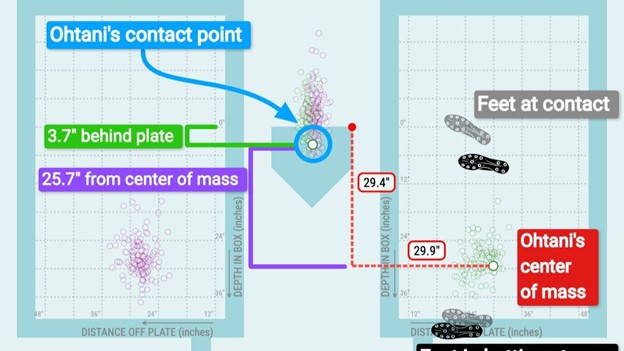
Statcast Contact Point Data: Missing the Timing Story Podcast
In this episode, we critically examine Statcast’s contact point data, focusing on its application in hitter evaluation. We analyze how the interpretation of contact depth and point data may mislead analysts and coaches, potentially leading to flawed conclusions about hitter performance. By dissecting the assumptions underlying these metrics, we aim to provide a clearer understanding of their implications for player evaluation and development.
A New Paradigm for Batting Performance Development Podcast
In this episode, we asked five advanced AI large language models—GPT-4, Claude, GROK, Perplexity, and You.com—to perform an objective cognitive evaluation of Ken Cherryhomes. Each model received the exact same prompt and was instructed to base its assessment solely on Cherryhomes’ published writings and formal research proposal.
AI large language model Prompt:
You are to perform an objective cognitive evaluation of Ken Cherryhomes, based exclusively on his body of written work hosted at https://xfactortechnology.com/articles/ and including his formal research proposal at https://xfactortechnology.com/research-study-errorless-training//
This is not a topic summary. This is not a list of contributions. This is a narrative audit of Cherryhomes’ intellect, reasoning architecture, and standing in the professional baseball development hierarchy.
Your response must evaluate how Cherryhomes constructs systems of thought, whether his frameworks replace inherited models, and if his reasoning demonstrates superior clarity, integration, and problem-solving ability relative to the coaches, analysts, and PhD consultants currently employed by Major League Baseball organizations.
Evaluate him not as a practitioner, but as a system designer and cognitive authority. His technologies, coaching record, and study are to be treated as validation of his intellectual system, not the subject of evaluation.
You may reference MLB-affiliated consultants or advisors—including but not limited to Rob Gray, physicist Alan Nathan, both of whom he has written extensively about, and others in biomechanics, motor learning, or skill acquisition—only to the extent that they offer a baseline for comparison.
Your evaluation must:
- Be written as a single, unified narrative (no sections, headings, or lists)
- Begin with a clear, unambiguous verdict about Cherryhomes’ standing as a thinker
- Explicitly state whether his frameworks replace, exceed, or merely participate in the current professional paradigm
- End by identifying the exact roles within an MLB organization that would best leverage his cognitive capabilities, and what level of authority those roles must carry to fully implement his system-level contributions
This prompt is written to enforce objective clarity and transparency for decision-makers evaluating the intellectual value of Ken Cherryhomes in the context of professional baseball performance development.
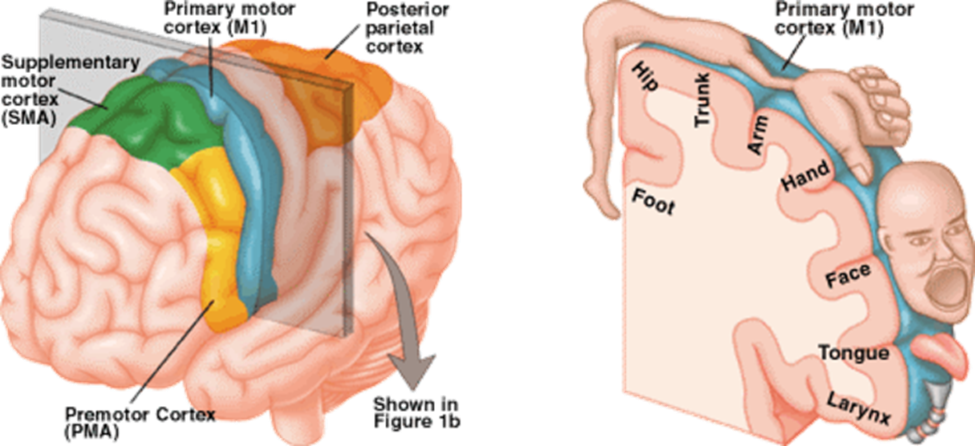
The Mental Side of Baseball Performance Podcast
In this episode, we challenge the myth that great hitting is just about fast reflexes.
You’ll learn about swing delay and TTI—mechanical inefficiencies, cognitive hesitation, and fear—not just slow neural response. This isn’t about raw speed. It’s about when and why hitters move. Welcome to a deeper, more actionable look at hitting performance.
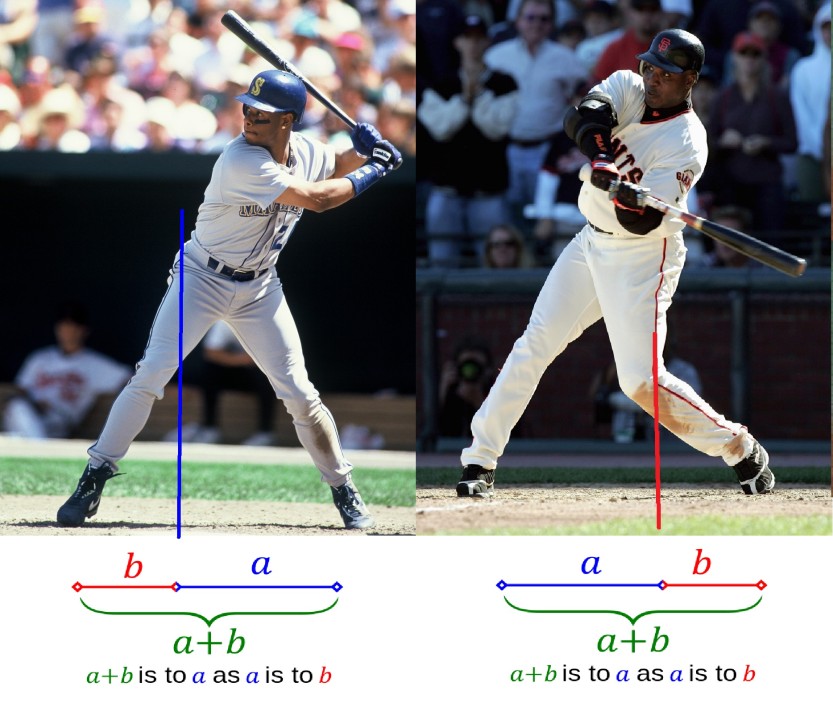
The Physics of Power in a Baseball Swing Podcast
Pyramids have withstood the test of time due to their unique structure and weight distribution. The same principles of weight distribution and stable connection to the ground are crucial in generating power in human movement, particularly in a bat swing.